
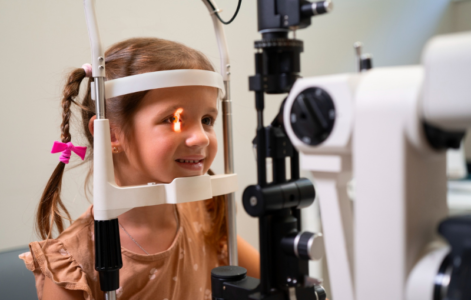
When was the last time you had an eye exam? Many people put off eye exams, assuming their vision is fine because they aren’t experiencing any noticeable problems. However, regular eye exams are essential for maintaining optimal eye health, detecting potential issues early, and even uncovering other health concerns. Dr. Shreya Shah from Soham Eye Care in Vadodara explains why eye exams should be a routine part of your healthcare.
Eye Exams: More Than Just Checking Vision
Many people associate eye exams solely with checking vision, but they are far more comprehensive than that. During a routine eye exam, an ophthalmologist not only checks your vision but also examines the overall health of your eyes. Conditions like glaucoma, diabetic retinopathy, and cataracts can develop with no noticeable symptoms, and an eye exam is often the first step in catching them.
Early Detection Saves Vision
Glaucoma, one of the most common eye conditions, can cause irreversible vision loss. The early stages often have no symptoms, which is why it is called the “silent thief of sight.” Regular eye exams allow for the early detection of this condition, and with prompt treatment, the progression of the disease can be slowed or prevented.
Preventing Vision Loss from Diabetic Retinopathy
If you have diabetes, you’re at a higher risk of developing diabetic retinopathy, a condition where high blood sugar levels damage the blood vessels in the retina. The symptoms can be mild at first, but if left untreated, it can lead to severe vision loss. Routine eye exams can help identify the early signs of this condition, so it can be treated before it progresses to a more severe stage.
Detecting Other Health Issues Through Eye Exams
Eye exams can also provide insights into your overall health. Many systemic conditions, such as hypertension, diabetes, and high cholesterol, can affect the blood vessels in the eyes, leading to changes that can be detected during an eye exam. Early detection of these health issues can help manage them before they cause more severe complications.
How Often Should You Have an Eye Exam?
The frequency of eye exams depends on your age, health, and risk factors. For those over 40, it’s generally recommended to have an eye exam every two years, but if you have a family history of eye disease or other risk factors, you may need more frequent exams. Children should have their first eye exam by age 3, and regular exams should continue throughout adulthood.
Conclusion:
Regular eye exams are essential for maintaining your vision and overall health. By catching potential issues early, you can take steps to prevent vision loss and detect other underlying health conditions. Dr. Shreya Shah and her team at Soham Eye Care are here to help you take care of your eyes. Schedule an eye exam today and ensure your eyes stay healthy for years to come.